White Debt
The hidden dynamics of economic power within relationships, this article delves into how traditional roles and gestures create a silent debt that shapes personal autonomy and expectations in subtle yet profound ways.
Housewife. Said like a blessing from another's lips. The word sounds old-fashioned, yet it still dictates chairs and silences. Courtesy dressed control in silk. Romanticism was the wrapping that concealed the price. They paid for flowers and wrote schedules. They bought dinners and dictated gestures. The script was simple and profitable.
The debt came in through the door with the bouquet. It wasn't spoken, it was acknowledged. The hand that opens the taxi door sets the pace, the one that gives thanks loses ground. The gift seemed clean, but in reality, it established hierarchies. It wasn't generosity. It was order.
The emotional market learned accounting without ledgers. When one pays, the other learns the cost of dissent. They called it chivalry to avoid saying command. They called it modesty to avoid admitting surveillance. Three sentences suffice; the right thing to do was obedience. The gift was never free.
This is where personal matters hurt. One afternoon I spent €17.40 on tapas and a taxi. The bill came to €29.13, leaving me with a foolish sense of pride. I slept with my wallet on the nightstand, feeling ashamed. It wasn't love; it was someone else's calculation that I bought into as if it were my own.
The choreography was passed down as a discreet inheritance. He was outside, she was inside; it seemed natural. In reality, it was a system that sanctioned movement and voice. The one who pays tends to expect silent discipline. The one who accepts without question learns to lie with a smile. The lie protects at first and exacts its price at the end. It exacts its price with emotional interest and routine.
The trap isn't just for the one who pays. The circle that applauds the gesture and lends it prestige also profits. Where there is constant applause, the habit is born. Where there is habit, the status is created. The scene repeats its morality until no one remembers who took the first step. The alibi remains intact. Decency is confused with obedience.
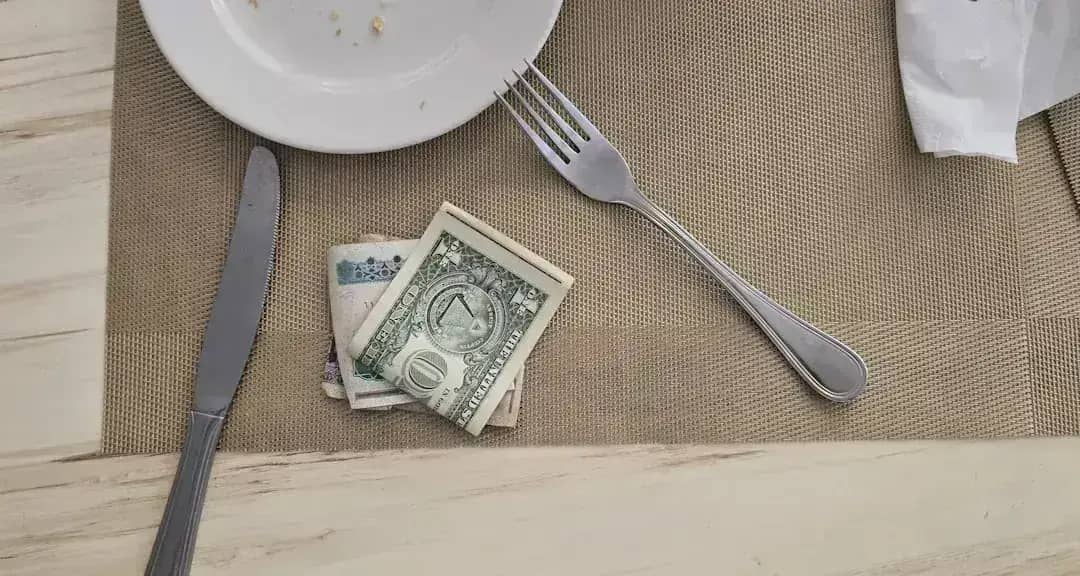
We have to speak our minds. Splitting the bill isn't ideology, it's hygiene. Separating costs doesn't kill desire, it kills the myth of debt. When a man asks to split, he cuts an old rope. When a woman insists on paying her share, she protects her freedom of movement. Short phrases for uncomfortable ideas. Nothing is owed. Silence can't be bought.
Technical jargon only works once if it lands on the dinner table. There's an incentive to leave your wallet in someone else's coat, because that way you relinquish control of how the night ends and gain an alibi if things go wrong. That little nudge acts as a household rule. Nobody questions it because it saves conversation and assigns blame beforehand.
There are also exceptions that disrupt the theory. Sometimes a gift arrives unexpectedly and it's beautiful. Sometimes inviting someone over is pure joy. These cracks make life bearable and complicate the analysis. They don't invalidate the structure. They soften it, that's all.
Gestures are inherited like small debts. The chair for her to sit on, the door opened theatrically, the hand on her back guiding without permission. Many call it care, others call it habit. The body understands the nuance. The body registers when the gesture protects and when it confines. It knows before the mind does.
Fidelity without desire is like a waiting room. Asymmetrical exclusivity breeds resentment. Abstinence as a weapon creates a peace that shatters at any turn. Where there is fear and subsidies, there is a relationship in limbo. What is decent is not beautiful; what is decent is clear. Clarity doesn't seduce; it frees up time.
One night, I split the dinner and the bottle. We paid half, down to the last penny. Nothing epic happened. There was unsupervised laughter. The next day, I didn't look for messages as a sign of affection. I was able to work with a clear head and a relaxed body. On the calendar, Monday. On the account, balance. Anomalies teach more than a manual.
The old codes don't disappear, they just change their clothes. Today, puritanism circulates on screens that quickly assault the senses. Independence is sold while the provider is asked to exercise prudence. Freedom is shouted while the old script is kept on the sidelines. Morality changes its vocabulary. The choreography continues with recognizable steps.
Whoever introduced the fee for the first encounter legitimized the subsequent accusation. First, courtesy becomes the norm. Then, those who accept it with learned docility are labeled as self-serving. It's a double trap. They desired beauty for themselves and silence from others. It wasn't modesty; it was a monopoly on desire under a kind light.
The home archive reveals what still lives on. The invitation that comes with an agenda. The praise that demands a contract. The generosity that buys concessions without a word. All of this germinates at a bar table at 11 p.m. and in the movie line when someone has already decided the ending before it even begins. There's no mystery, just common practice.
The harsh question remains, the one that shatters the facade. Who sets the pace, and who pays the real price when the gesture seems neutral? If the answer makes you uncomfortable, you're on the right track. If it comes out clean, you're lying. The truth almost always leaves a mark on the body. The mark is easy to recognize; it's like the remorse that creeps in when you close the door and night falls over your mind.
Don't confuse honesty with coldness. Clarity can be warm when it comes without coercion. You can care without commanding. You can express gratitude without incurring debt. That's the least glamorous challenge. It doesn't produce stories that sparkle at the dinner table. It creates relationships that breathe when no one is watching.
The final accounting is simple. Who decides the pace, who bears the cost, who relinquishes the narrative? Three lines are enough to dismantle the private mass of disciplinary romanticism. No epic is needed, a clear gesture suffices. Elegance, without debt, is much cheaper.
No altar can sustain a balance built on fear and handouts. No couple can last with silent obedience and perfunctory smiles. The charade was called maturity; it was just another alibi. What remains is a method that fits in your pocket: leave the bill on the table and look at the chair.
Whispers live here
Words linger longer when they come from the heart.