The Wrong Frequency
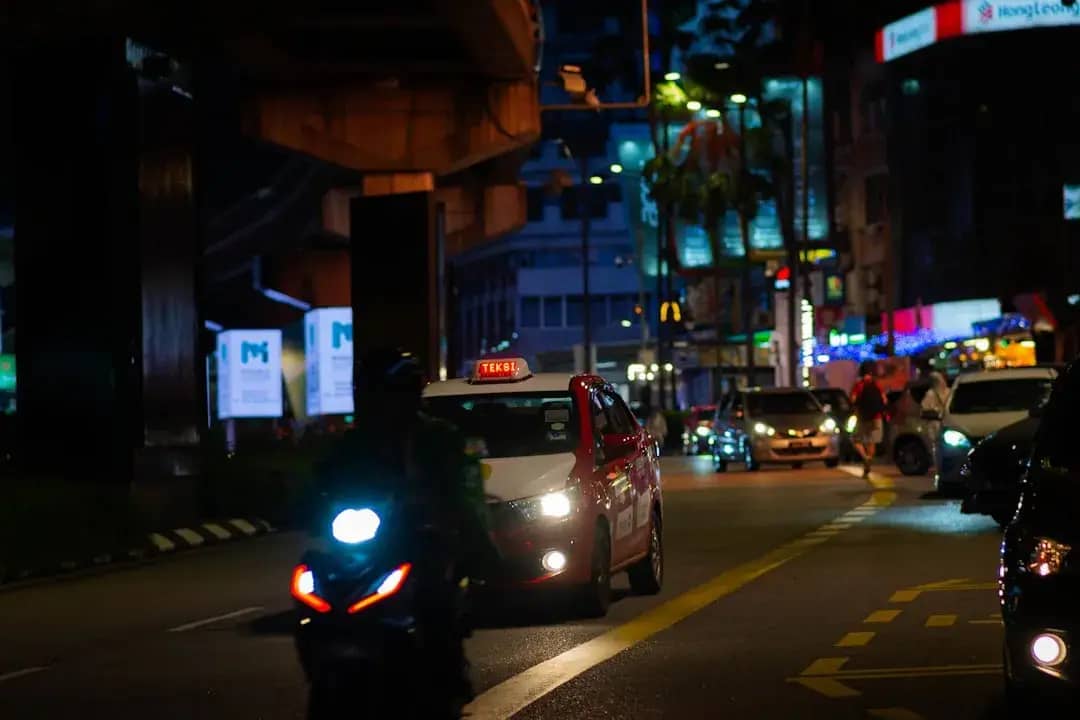
There is a city where the sky turns purple at six in the evening and the air is warm enough to feel like permission. I have been trying to get back there ever since I left. Not the city. The version of myself I was inside it.
There is a specific kind of suffering that has no name in any language I know, though I have looked for it in four of them. It is the suffering of a man who has lived elsewhere long enough to rewire , who has felt, with his own skin and his own breathing, what it means to exist in an environment that matches his frequency , and who then returns. Not because he wanted to. Because life, in its blunt way, required it. And now he walks the same streets he once escaped, carrying inside him the precise memory of another morning, another sky, another version of himself that was lighter, more honest, more real. That version did not come back with him. It stayed. And some mornings, without warning, the grief of it arrives like a hand on the chest.
I am not describing homesickness. Homesickness is simpler , it is the longing for the familiar. What I am describing is the inverse, the longing for the unfamiliar that became, over seventeen years, more home than home ever was. The longing for streets where no one had a file on you. Where a conversation was just a conversation. Where silence between two people was rest, not reconnaissance.
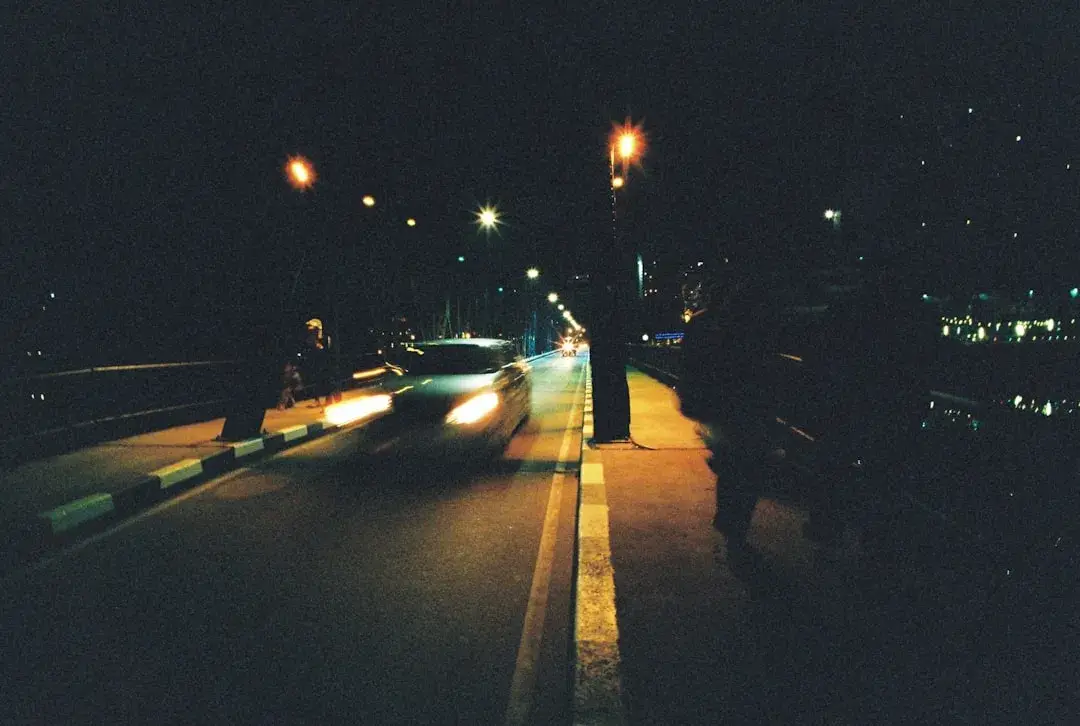
In certain cities in Southeast Asia , cities I will not romanticize beyond what they actually gave me , I stood in the same street for twelve hours and did not get bored. I want you to sit with that for a moment, because I have thought about it many times since. Boredom is the symptom of disconnection. When your nervous system is being fed at every layer , the light, the warmth, the smell of food from a cart you cannot see yet, the particular grace of people who move through public space without aggression, without calculation, without the low-grade paranoia that masquerades as social life in harder places , time does not accumulate into weight. It dissolves. You are simply present. Fully, easily, without effort, present.
"I learned, in those years, what it felt like to take off a coat I had been wearing so long I had forgotten it was a coat."
The coat is the armor. Every person who grows up in an environment where words are weapons develops it. You learn early , not from a lesson, but from accumulated small wounds , that what you say will be weighed, filed, and potentially used. Not to understand you. To position against you. To locate the gap between what you have and what they want. The envy does not show itself directly , that would require too much honesty. Instead it comes dressed as a question, as curiosity, as neighborly interest in the two holes of a flower pot. You learn to speak strategically. You learn to manage the room, to warm the atmosphere preemptively, to make people comfortable before they can become dangerous. You become very good at it. You become so good at it that people find you warm, caring, open. And underneath, you are working. Every moment, you are working.
This is what I mean by a prison with a nice interior. The performance of openness in the service of self-protection is not freedom. It is a more sophisticated captivity. The walls are lined with your own social intelligence. The door is locked from the inside by your own empathy. You stay not because you are weak but because leaving , leaving the performance, dropping the armor, simply being without calculation , feels like exposure. And exposure, in certain environments, is genuinely dangerous. The paranoia is not imagined. The sharp edges are real. A man who has been cut enough times does not need to imagine the blade.
But here is the structural reality beneath the personal wound, what I experienced is not merely a personality conflict with a specific place. It is something older and larger. There are societies that have not yet decided , collectively, institutionally, culturally , that other people's time has value equal to their own. Where a delivery rider's personal schedule supersedes the commitment he made to you. Where an administration closes not on a posted schedule but on the private hunger of the man behind the desk. Where a contract means the beginning of a negotiation rather than the resolution of one. These are not individual failures of character. They are systemic expressions of a civilization still in an earlier arrangement with itself , one where the transaction is not between equals, where trust has not yet become a functional currency, where the dishonesty of a few becomes the burden of everyone, including and especially the honest.
I said once to a shop owner who had taken my deposit, done nothing with it for ten days, and then called to ask for the remainder before proceeding, you are punishing all your customers for the sins of a few. He had no answer. Not because he was unintelligent, but because the system he operated inside had never been named to his face before. Naming it did not change it. He opened the next morning with the same policy, the same practiced innocence, the same waiting customer. The clarity bounced off the wall and came back to me. This is what it costs to be precise in an imprecise environment , your precision becomes a private experience. It moves nothing outside you.
"The most exhausting thing is not the chaos itself. It is remaining unchaotic inside it."
I could have adapted. I want to be honest about this, because the easier story is the one where the environment is simply wrong and the man is simply right. The truth is more uncomfortable, adaptation was available to me. I watched it happen to others , good people, intelligent people, people who left and came back and within months had recalibrated downward, had started calculating because everyone calculates, had started arriving late because everyone arrives late, had started building the same theatrical distance around their real intentions because the alternative was exposure. The environment is a gravity. It pulls everything toward its own normal. Most people, eventually, fall.
I refused. Not out of virtue , let me be clear about that , but because I had lived for too long at a different altitude. Seventeen years outside. Four of them in the slow, warm, purple-evening cities of Southeast Asia. Thirteen before that in Madrid, where the office is full at noon and the commitment is kept and the person behind the desk is there because that is when the desk requires a person. You cannot un-know what you know. You cannot un-feel what your nervous system has calibrated to. Refusing to adapt downward was not a choice I made with discipline each morning. It was a refusal the body made on its own, the way a body refuses food that no longer agrees with it.
Two years back. That is the number. And the question I have not yet answered , not to anyone, barely to myself , is what precisely is keeping me here now that the emergency that returned me has long since resolved. Family, I say. And family is real. Family is not an excuse , it is a weight I carry willingly and would not trade. But there is a difference, and I know the difference viscerally even when I resist naming it, between staying for family with peace and staying because leaving again feels like a betrayal I have not yet given myself permission to commit. The first is a choice. The second is a trap dressed as loyalty.
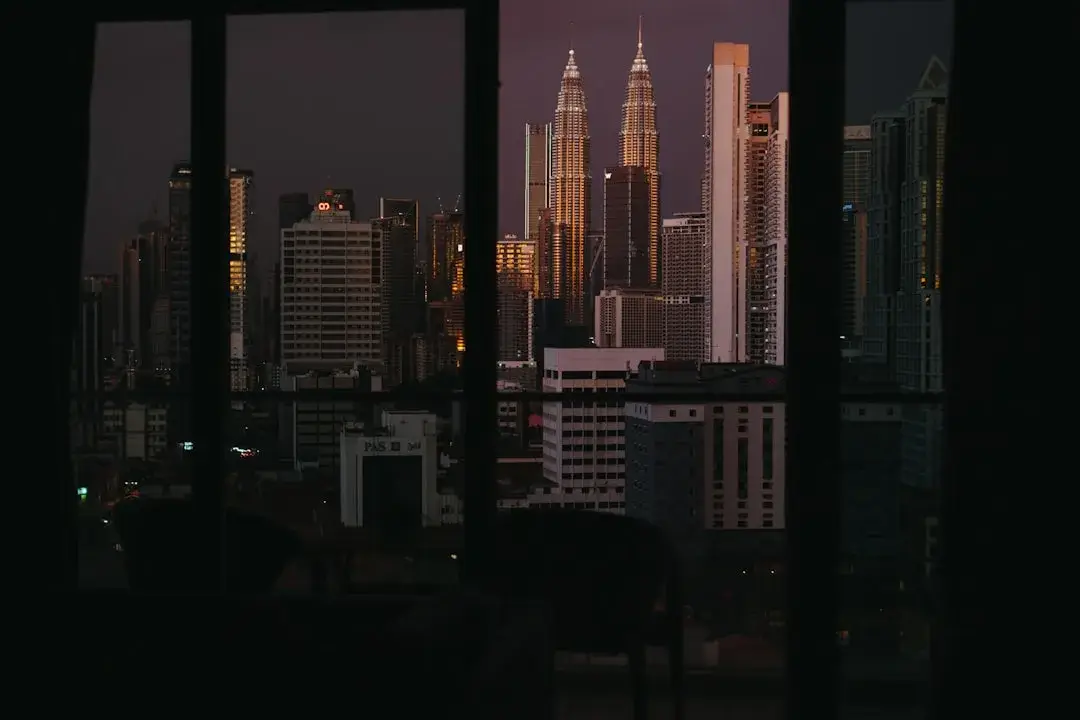
The man who was free in Kuala Lumpur was not less devoted to the people he loved. He was present when it mattered. Distance, it turns out, does not dissolve love , it only dissolves the comfortable dependency that long proximity builds on both sides. I was there for seventeen years in the way that actually counts, arriving when needed, not merely being nearby when not needed. But two years of continuous proximity have fused me back into a structure in a way that now makes leaving feel load-bearing. This too is a kind of illusion. Structures adapt. People find their own weight. The question is whether I will wait long enough to find out, or whether I will mistake the illusion for the architecture.
There is a city somewhere , I know its specific light at six in the evening, the particular quality of its air in the hour before the sky goes purple, the way its streets carry pedestrians like water carries something that is not fighting it , where a version of me is still sitting on a terrace, in shorts and sandals, watching the city transition from afternoon into night, not working, not performing, not calculating anything. Just present. Just breathing. Just a man in the right frequency at last.
I do not know when I go back. I know that I will. Some things are not decisions , they are conclusions the self reaches slowly, through the accumulation of small evidence, until one morning the evidence is sufficient and the permission arrives not from outside but from the only place it was ever going to come from.
Until then, I carry both lives simultaneously. The one I am living and the one I left behind in a city of warm evenings and people who smile at strangers without agenda. This is not tragedy. It is the particular complexity of a man who has been, genuinely and completely, alive in more than one place. Most people never get even one. I have had several. The grief is real. So is the gratitude. Both can be true. They are both true.
The frequency exists. I have stood inside it. That is not nothing , that is everything.
Whispers live here
Words linger longer when they come from the heart.