Grand Replacers Everywhere
How global nomads reshape neighborhoods by bringing new demands and preferences without traditional colonization. Discover the impact of remote workers on local economies and the evolution of community dynamics.
You arrive somewhere and three days later you've rebuilt what you need. Coffee shop. Apartment that costs less than storage back home. Woman who doesn't ask where this goes. Gym with functional equipment. Restaurant with decent pizza. You're not visiting. You're not integrating. You're installing.
The locals watch this happen and some understand immediately. You're not learning their language beyond transactions. You're not asking permission. You're spending in ways that reshape the neighborhood toward your requirements. Within six months, there's a co-working space where the fishing supply store was. Within a year, the landlord renovates four more units exactly like yours because he's realized what you'll pay. You didn't ask for this. You needed a place to work and refused to accept it didn't exist yet.
This gets called colonization by people who think the word still means something. Colonization required state apparatus, trade monopolies, military enforcement. What I do requires a laptop and low expectations. I show up. I pay rent. I buy food. I generate demand for specific goods and services. The neighborhood reconfigures because money moves faster than tradition. No conquest. Market preference with physical consequences.
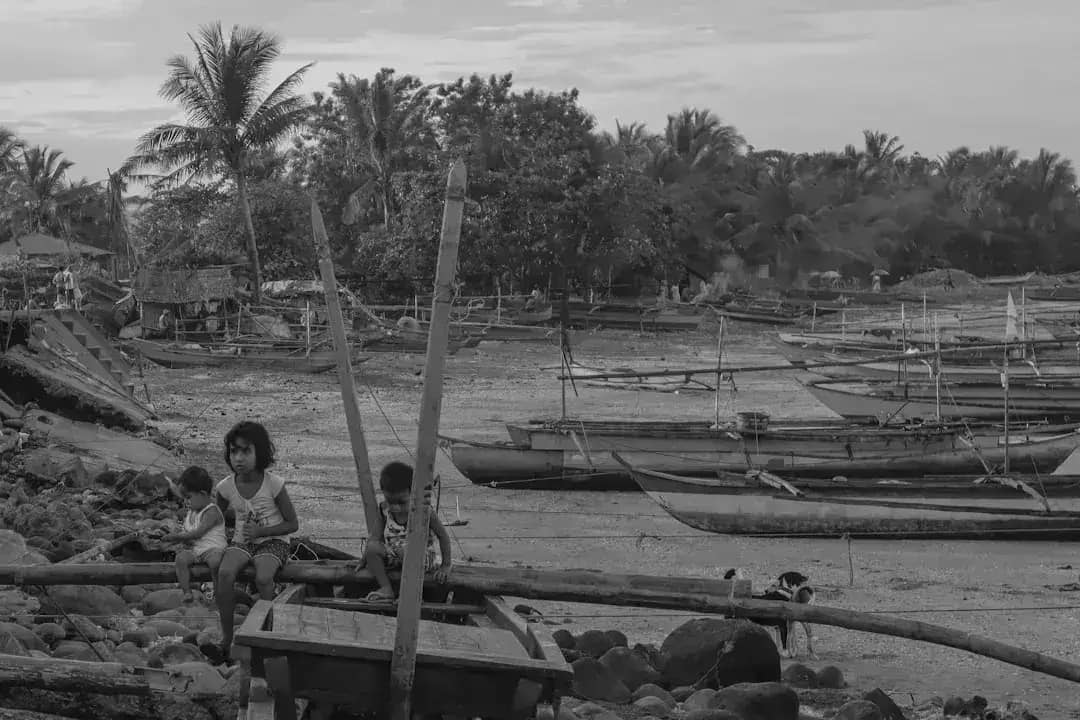
Pattaya was fishing town until US soldiers needed somewhere to spend money between operations. They needed women, alcohol, entertainment. The village provided these things and stopped fishing. Twenty-five million visitors annually now. The people complaining aren't fishermen. They're arrivals from five years after you who want to pretend they discovered something authentic. There's no authentic. There's what existed before you needed something different and what exists now that you paid for it to change.
Another place, same sequence. "Bali" a Fishing village until remote workers needed good internet and cheap rent near surfable waves. Now it's a hub with more co-working spaces than schools. The locals who own land charge more. The ones who don't work in cafes serving oat milk lattes to people who don't speak the language beyond thank you. This happened without policy, without planning, without permission. It happened because I and others like me showed up with money and needs that didn't match what was there.
You can call this displacement. I call it preference. The person renting me the apartment chose to rent it to me instead of someone local because I pay more and cause less trouble. The restaurant started serving pizza because enough people wanted pizza and paid more than locals pay for rice dishes. Voluntary transactions. Nobody forced anyone to take my money. They decided my money was worth more than preserving what was there before.
In Spain, France, they eat more North African food than traditional stews now. This happened because it tastes better and takes less time. The sandwich lost to the burger not because of imperialism but because the burger is superior engineering. The bread doesn't fall apart. The ingredients stay contained. You can eat it with one hand. Evolution, not invasion. What survives is what fits into a day without friction. Everything else becomes nostalgia.
I watch people get angry about this in predictable ways. They want to preserve languages nobody speaks, dishes nobody orders, customs nobody follows. They call this heritage. I call it clutter. The druids are gone. Regional dialects are gone. The church's authority is gone. None of these disappeared because someone banned them. They disappeared because people chose other options when other options became available. You can mourn this if mourning makes you feel sophisticated.
I'm not in this country to become local. I'm here because it offers things I need at prices I'll pay. I speak enough to complete transactions. I know enough about customs to avoid obvious offense. Beyond that, I construct the life I want using whatever materials are available. If those materials include locals willing to work in businesses serving people like me, that's their decision. They're choosing my money over whatever they'd be doing if I weren't here.
The ones who hate this most got here slightly before I did. They learned the language. They married locally. They integrated. Now they watch people like me show up and refuse to do any of that and still get what we want. This offends them because it suggests their effort was optional. It was. You can spend years learning to navigate a foreign system or you can spend money until the system navigates around you. Both work. One is faster.
I rebuilt my life in a city-state in eight days. Apartment, gym, restaurants, women, friends for tennis. By day nine I had everything I needed. I felt more at home than I ever felt in the country where I was born and lived for decades. Not because the city-state is better. Because I was building from scratch with clear requirements and no inherited obligations. In the country I was born in I was embedded in structures I didn't choose and couldn't escape without destroying relationships I didn't want to destroy. The city-state let me start clean.
This is what replacement actually means. I don't adopt the existing structure. I import mine and pay until the local environment accommodates it. The pizza place opens. The English-speaking doctor sets up practice. The landlord learns what amenities people like me expect. This happens everywhere people like me go because we have money and specific needs and no loyalty to preservation. We're not trying to erase what was there. We're indifferent to it.
The ones who call this cultural genocide benefit from me being here but need to pretend they don't. The cafe owner serving me coffee. The landlord collecting my rent. The woman meeting me for drinks. They're all participating. They're just sophisticated enough to know they shouldn't admit it. I admit it. I'm here to get what I want. If what I want doesn't exist, I pay until it does.
You see this everywhere money moves faster than tradition. The thing that works better wins. The thing that doesn't loses. People who preferred the old thing either adapt or become irrelevant.
I've repeated this enough times to recognize the pattern. Show up. Need things. Pay. Watch the place adjust. Eventually it looks more like where I came from than where I arrived. This used to require armies. Now it just requires persistent demand and foreign currency.
The country I was born in celebrates when its culture spreads. Restaurants opening across continents. Fashion influencing global trends. Philosophy getting taught in universities. That's not called colonization. That's cultural achievement. But when other cultures do the same thing back, suddenly it's invasion, replacement, loss. Either cultural competition is legitimate or we pretend we want preservation while enjoying the win.
I'll be here until something better appears. Then I'll move there and rebuild the same infrastructure. Apartment, gym, pizza, women, tennis. It takes less time each time because I know exactly what I need and exactly what I'll pay to get it. The location stops mattering.
Whispers live here
Words linger longer when they come from the heart.