Escape Protocol
A brutal autopsy of thirty-two unfinished books on the shelf, domestic equivalent of 1,500 contacts and no real friends. On mistaking movement for progress, planned escapes when reading becomes work, and losing the ability to do anything but first dates with everything. We're experts at debuts, illiterate at continuity. The problem isn't the files, it's the operating system.
The library as a graveyard of good intentions.
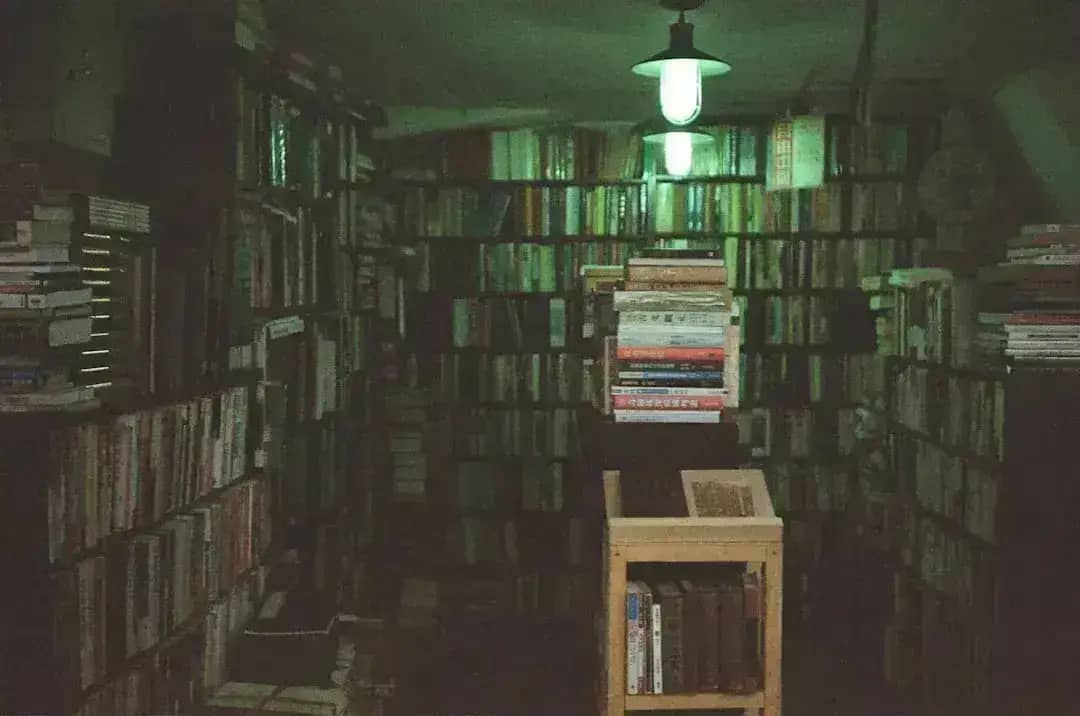
Thirty-two books on the "reading" shelf are the domestic equivalent of having fifteen hundred contacts on your phone and no real friends. The difference is that contacts don't take up physical space or look down at you from the shelf with silent reproach.
Rearranging shelves is intellectual masturbation. Your girlfriend smiles because she recognizes the gesture of the man who mistakes movement for progress. We've brought order to the symptom without addressing the disease. The books remain thirty-two. The inability to finish what we start remains intact.
Brines's verse about the broken glass is beautiful and utterly useless. Literature teaches us to romanticize our flaws. We transform distraction into artistic sensibility, inconstancy into poetic temperament. It's easier to quote verses about a broken soul than to admit that we simply don't know how to concentrate.
But there's something the verse doesn't say, something the book reorganization does reveal. It's not that the soul shatters like a glass. It's that we've learned to shatter it ourselves to avoid boredom.
Every new book is a planned escape. We open it when the previous one starts to demand real effort, when the ideas stop flowing and we have to chew on difficult concepts. The exact moment when reading becomes work is when we rush off to the next first page.
It's the logic of dating applied to everything. We specialize in first dates, first chapters, first weeks at the gym. We're experts at debuts and illiterate when it comes to continuity. We know the first five kilometers of a thousand different roads from direct experience.
Your girlfriend who says yes every day isn't celebrating eternal love. She's grappling with the reality that choosing the same person repeatedly is the only way to build something other than a perpetual first chapter.
Because choosing every day is the exact opposite of what we do with books. With books, we choose once, on the day of purchase, and then hope that the initial motivation will sustain itself for three hundred pages. When it runs out, we buy more motivation in the form of a new book.
The mint on the terrace, the five o'clock Negroni, the kiss in the elevator—these aren't moments of fulfillment. They're temporary narcotics that allow us to believe we're capable of being present. They last exactly as long as their novelty. Then we need the next dose.
What the "reading" shelf really reveals is that we've turned culture into a personal medicine. Each book is a pill against boredom, each new page a small injection of stimulation. We don't read to learn more, but to feel less the weight of passing time.
And time passes all the same. With books read or unread, with tidy or chaotic shelves, with impromptu vows or marriages of convenience. Time is the only variable we can't hack with reorganization or good intentions.
Perhaps that's why we accumulate unfinished books. They are tangible proof that there is still time. Each unfinished spine is a promise of the future, the hope that tomorrow we will be the person capable of concentrating for two hundred pages straight.
But tomorrow we'll be the same person who today needs to jump to the next book as soon as the first conceptual difficulty appears. The same person who confuses accumulating knowledge with processing it. The same person who believes that having access to information is the same as understanding it.
Reading thirty-two books at once is the cultured version of watching television and changing channels every thirty seconds. Same symptom, different social prestige. Same inability to sustain attention, different intellectual excuse.
The glass was already broken before we even reached it. It wasn't broken by the life we live, but by the era we live in. An era that has turned sustained attention into a luxury for the rich and distraction into a democratized lifestyle.
Thirty-two unfinished books aren't a sign of a sensitive soul. They're a precise X-ray of a brain trained for constant channel surfing. The "reading" shelf is our browsing history transformed into furniture.
And reorganizing it changes as little as tidying your computer desktop. The problem isn't the files, but the operating system. But it's easier to move books around than to admit we've lost the ability to read even one to the end.
Whispers live here
Words linger longer when they come from the heart.