Fear and Options
A cold-eyed look at the grammar of power. On frugality as training ground versus wealth as permission to say no, curiosity as multiplier, and fear as compass. Simple living can be a garden. Wealth can be a harbor. The question is how much attack surface you're willing to leave uncovered. Don't romanticize resignation, the world doesn't have manners.
You could live on very little and feel fulfilled. You could eat for pennies in an anonymous fourth-floor bar, cycle around an inexpensive city, and measure your happiness on a scale of minimal expenses. You could. Yet you still move toward the one percent with a mixture of hunger, discipline, and mistrust. Don't fool yourself. It's not just about household economics. It's a grammar of power.
Simplicity acts as a training ground. It makes you light, difficult to capture, less susceptible to the propaganda of scarcity. Frugality is a desert that polishes the palate. It removes noise. It teaches you to distinguish value from glitter. And yet, frugality has an invisible limit. It accepts the landscape as it is. It doesn't design it. The minimalist coexists with the world. The wealthy reconfigure it. It's not a matter of moral superiority. It's a different kind of game.
You say you love money as if it were an inherited god. Perhaps it's less metaphysics and more a family imprint. You learned to read the world as a trading board. There's no sin in admitting it. The sin lies in pretending otherwise. Money acts as a social dopamine hit and as a cushion against tail risks. It's desire and it's security. It's music and it's a helmet. Those who hate it often live under other people's clocks. Those who worship it risk becoming mere tally marks. Balance doesn't produce epic tales. It produces lucidity.
Money isn't an end in itself. It's permission. It allows you to say no. It allows you to leave the room when the charade begins. It allows you to buy time to learn something that doesn't pay today but pays later. It allows you to contradict the client who treats you like raw material. It doesn't make you a better person. It makes you harder to tame.
Your curiosity embodies the logic of the multiplier. You become obsessed with a topic until you break through the surface. You stumble upon a zone where few can enter without oxygen. That's where the premium for being unusual comes in. You're paid not for hours but for asymmetry. Most people consume tutorials. You create questions. Most people repeat manuals. You test combinations. The market price of curiosity is high because the muscle that sustains the discomfort of not knowing is scarce. Wealth is the byproduct of that muscle.
Your allergy to smoke is another advantage. You reject the fake family, the career plan that's a leash, the bloated commission that treats you like cattle with keyboards. You step out of line. You take the risk of quoting yourself without a safety net. You make mistakes and learn from them in a single invoice. The salaried employee buys emotional cover. The freelancer buys exposure. Most trade freedom for forecasting. You trade forecasting for potential. It's not romantic. It's accounting.
There's a more detached argument. Extreme events decimate modest savings with an ease the brochure doesn't reveal. Illnesses, lawsuits, expensive love affairs, forced relocations, government abuses. Those who live paycheck to paycheck depend on the world having manners. The world doesn't. Wealth doesn't prevent the blow. It cushions it. There's no heroism in crashing gracefully. You have to survive.
Don't mistake your taste for a simple life for a vow of poverty. Generating more money without increasing consumption is a strategic decision. You accumulate dry powder. You buy optionality. Not to show off. So you don't have to ask for permission. Aesthetic modesty can coexist with financial ambition without contradiction. The monk who invests doesn't betray his retreat. He protects it.
Here comes the uncomfortable part. You like power. You like it even if you deny it. You like it because it opens doors and because it dictates other people's desires. It's not just the illusion of accessing premium pleasures. It's the raw feeling of altering the odds in your favor. That taste exists. Ignoring it makes you worse, not better. Acknowledging it subjects it to rules.
Three blows that can't be disguised. Money rewards brutal responsibility. Money punishes self-indulgence. Money amplifies what you already are.
Not everything is epigenetic destiny. There are habits. Your brain prefers to produce. You're annoyed by fleeting pleasure. This bias builds long-term human capital. You sit down to watch a video and end up deconstructing its structure. You consume while simultaneously leaving crumbs to create. The energy returns in the form of reputation, projects, and people who want to partner because they perceive substance. It's not luck. It's repeated effort.
There is also fear. Don't disguise it. Fear of losing control. Fear of becoming a prisoner of others' pity. Fear of having some random agent dictate your tone of voice. That fear can degrade you into greed or polish you into prudence. The difference lies in the honesty with which you assess your own opportunity cost. Sometimes money is the excuse for not choosing. Other times it's the condition for choosing well.
Let's consider the morality of extreme thrift. Eating for pennies brings a peculiar pleasure. It's a victory against the theater of prices. But repeating that triumph as an identity can become an addiction to discounts. The enemy isn't spending. The enemy is mindless spending. You can pay little and be a slave to calculation. You can pay a lot and be master of the ritual. The right question is one of design. What do you buy when you buy? What do you sell when you save? To whom do you give your attention?
The one percent isn't a club. It's a vector. You don't get in just for the money. You get in through a mindset. That mindset says the following: Learning is your leisure. Negotiating is your sport. Writing contracts is your grammar. Rejecting embellishments is your ritual. Shifting perspectives before everyone else is your advantage. If along that path you encounter carnal luxury or unattainable beauty, use it as a reminder that desire has no inherent ethics. You set the ethics. No preaching. Just rules.
Three phrases to remember when you're working. Freedom is a profit and loss statement. Dignity is a liquidity position. Serenity is a risk curve.
You don't need to excuse your quest. You need to master it. If minimalism sharpens your mind, keep it. If curiosity gives you a rare IQ, keep it. If fear reveals your vulnerabilities, ask it for a plan. What you can't do is romanticize resignation. Chosen poverty becomes an ideology of defeat when chance turns aggressive. And it will.
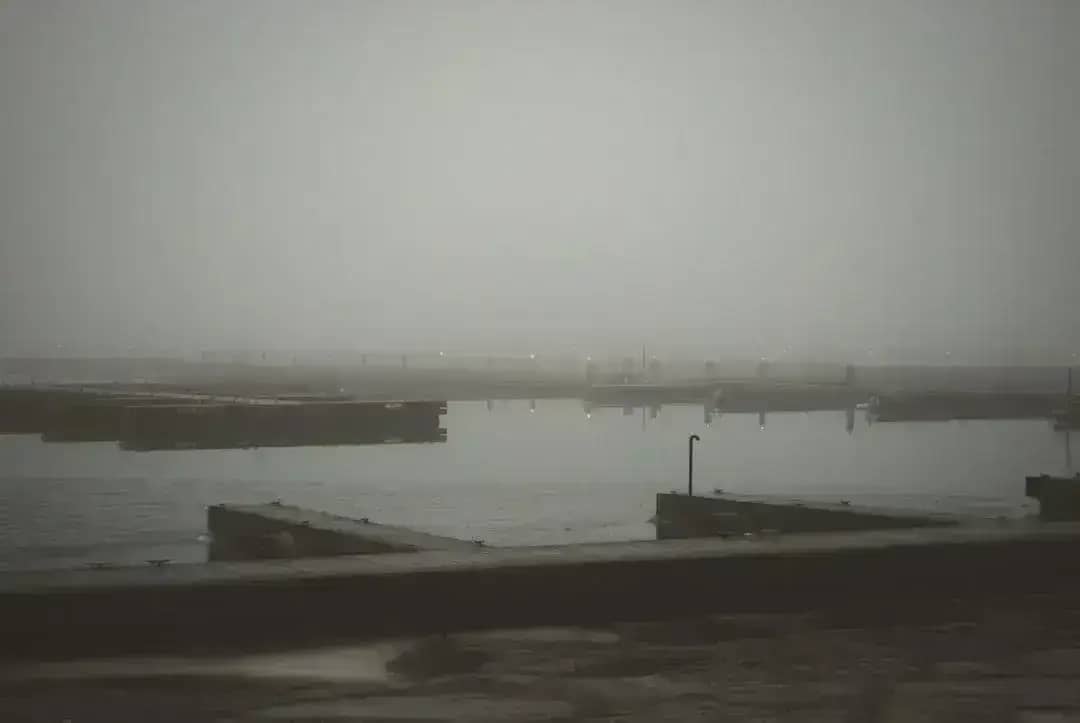
Simple living can be a garden. Wealth can be a harbor. The question isn't which is better. The question is how much attack surface you're willing to leave uncovered. Decide coldly. Without ceremony. Without guilt. And don't ask for permission.
Whispers live here
Words linger longer when they come from the heart.