Cults with a Payroll
A raw look at how we swapped shamans for transformational coaches and belonging for survival. On €3 billion spent building teams while only 23% feel engaged, the psychology of corporate cults, and that empty moment in your hotel room still wearing the paintball-stained event t-shirt, wondering why you're still pretending.
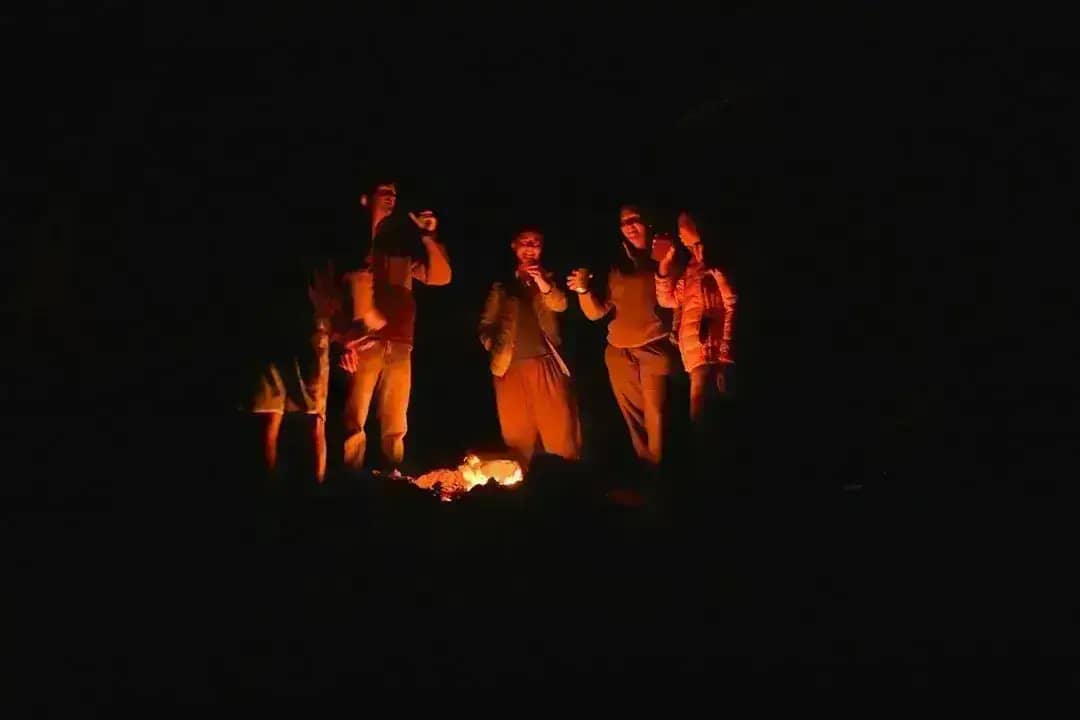
There was a time when campfires were the heart of knowledge. Surrounded by flames, our ancestors told stories, were initiated into the tribe, and healed through dance. Today, however, we gather in auditoriums with LED lights, in front of PowerPoint screens, seeking belonging at team lunches with vegan burgers and "trust-building" exercises designed by consultants. We've traded fire for capsule coffee machines, spears for slide presentations, and shamans for "transformational coaching" facilitators.
The team-building industry generates staggering sums. In Europe alone, over €3 billion was spent in 2023 on activities designed to strengthen teams, from wine tastings to military simulations. However, Gallup studies show that only 23% of employees worldwide feel "engaged" in their work, and less than 10% believe that team-building workshops have had a real impact on their well-being or performance. In other words: more fireworks, same lack of substance.
Sometimes I stop to observe those team-building meetings. I see the rehearsed applause, the measured laughter, the enthusiasm that feels forced, like a smile in a school photo. Someone breaks a board with their hand, another falls backward, waiting to be caught by their team. We shout corporate mantras together as if they were incantations, as if by repeating "Yes, we can!" three times, the team's soul will awaken from its slumber.
I've worked in places where birthday breakfasts were held while silent layoffs were being negotiated in another room. Where leaders would hug you in front of everyone at the offsite, and then systematically ignore you when you suggested something that didn't fit the script. Where you'd cry in the bathroom after a "constructive" feedback meeting and then be asked for a selfie for the team's Instagram as you left.
And yet, something stirs. Because even artificial rituals have power when bodies surrender. As in tribes, rhythm matters more than reason. But here's the trap: we don't seek to belong, we seek to survive. And we confuse survival with community.
In modern offices, our logos are our totems. Hierarchies are defined by the color of access cards and the size of screens. Instead of tattoos, we wear poorly translated English phrases printed on mugs: Dream big. Act fast. Fail forward. Language becomes narcotic, feedback psychological torture disguised as growth.
The psychology behind it is the same as that used by cults. Isolate first, offer belonging later. Create emotional dependence on something that can never give you what you truly need. Companies know that an exhausted employee is a docile employee, and that someone desperately seeking purpose will pay any price for the illusion of it.
The worst moments aren't the overwhelming ones. They're the empty ones. That instant at the end of a team-building day, when you're alone in your hotel room, your event t-shirt still damp with paintball sweat, and you ask yourself why you're still pretending. Why you applauded. Why you raised your hand. Why you didn't say anything when you saw that colleague dissociate during the "emotional coaching" session.
I've seen great leaders become purveyors of hope while their teams crumble from within. I've seen dynamics designed to foster trust where no one dared to speak their mind. Because a culture based on mandatory "good vibes" isn't culture, it's control. And a company that fears conflict isn't cohesive, it's drugged.
We no longer meet to hunt bison, but we do meet to "brainstorm creative solutions" in two-day workshops with colorful sticky notes. Each team is a clan, each submission an offering to the algorithm no one understands. And when happy hour arrives, we let loose like prisoners who've forgotten they're in jail.
Sometimes I wonder what would happen if we turned off all the screens and told the truth. Not about the roadmap or the deadline, but about the fear of being worthless outside of this charade. About that need for recognition that makes us applaud our own chains. About that weariness that is no longer physical, but of the soul.
But we won't. Because we've already learned that truth isn't rewarded, it's punished. That genuine vulnerability is punished with "you don't fit in with the culture." That the only real ritual is silence.
Perhaps, deep down, the only thing that unites the tribe isn't the fire, but the wound. And in many offices, the only thing that truly burns is the people.
Whispers live here
Words linger longer when they come from the heart.